• Open - Closes at 10 PM

|

Live Resin vs Live Rosin vs Distillate: What’s Actually in Your NJ Vape Cart?

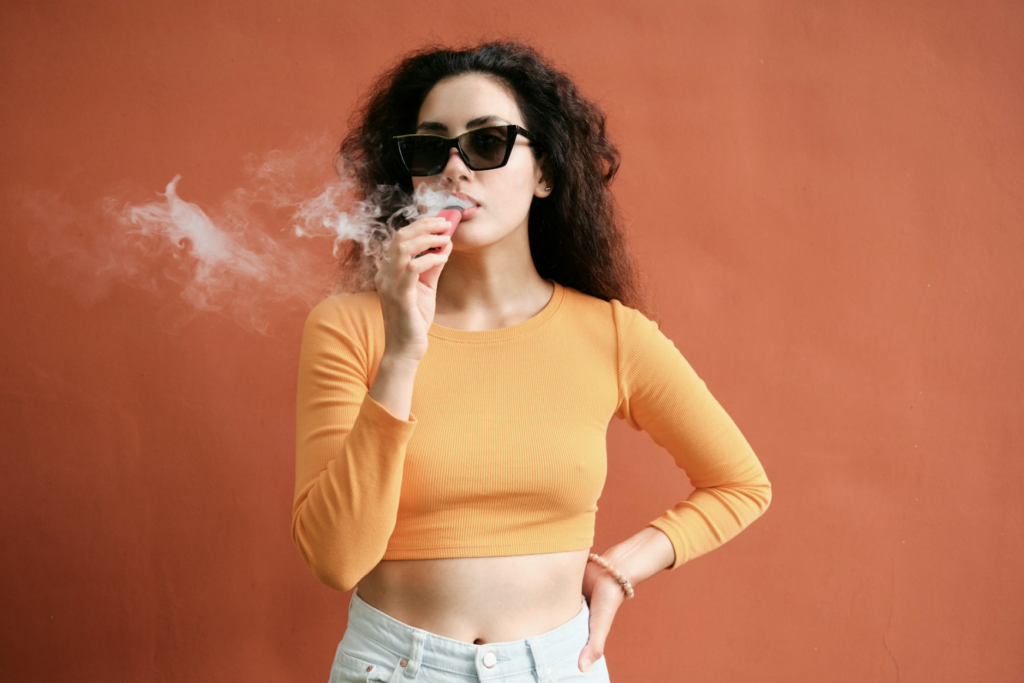
Person relaxing on a bench while exhaling vapor from a vape pen, illustrating the casual everyday use of cannabis vape cartridges in a legal market

That vape cartridge you’ve been buying at the dispensary since NJ went recreational in 2022? It’s almost certainly distillate. 

Not because you chose it, but because distillate is the default, the unlabeled baseline that most dispensaries stock the deepest. It works fine. Gets you high. Tastes like blue raspberry, mango, or whatever the label says.

But now you’re seeing “live resin” on the shelf at $10–20 more per half-gram, and maybe “live rosin” or “liquid diamonds” next to it. Nobody behind the counter has time to explain the difference between five products that all screw onto the same battery.

Here’s the short version: there is a difference, it’s mostly about flavor and how the high feels, and whether the upgrade is worth your money depends on one thing most people get wrong.


Quick Takeaways

  • Most “regular” NJ vape carts are distillate: high THC, almost no natural cannabis flavor
  • Live resin preserves the plant’s original terpenes; live rosin does the same without solvents
  • The $10–20 premium for live resin is usually worth it for flavor, but not if you vape above 2.8V
  • Liquid diamonds split the difference between live resin’s flavor and distillate’s potency
  • NJ cart prices have dropped roughly 16% in the past year, so shop the promos


What’s the difference between live resin, live rosin, and distillate?

The difference is how the oil gets extracted from the plant and what survives the trip into the cartridge. Distillate strips everything except THC and adds flavor back afterward. Live resin and live rosin keep the plant’s original terpenes intact. Resin uses solvents; rosin doesn’t.


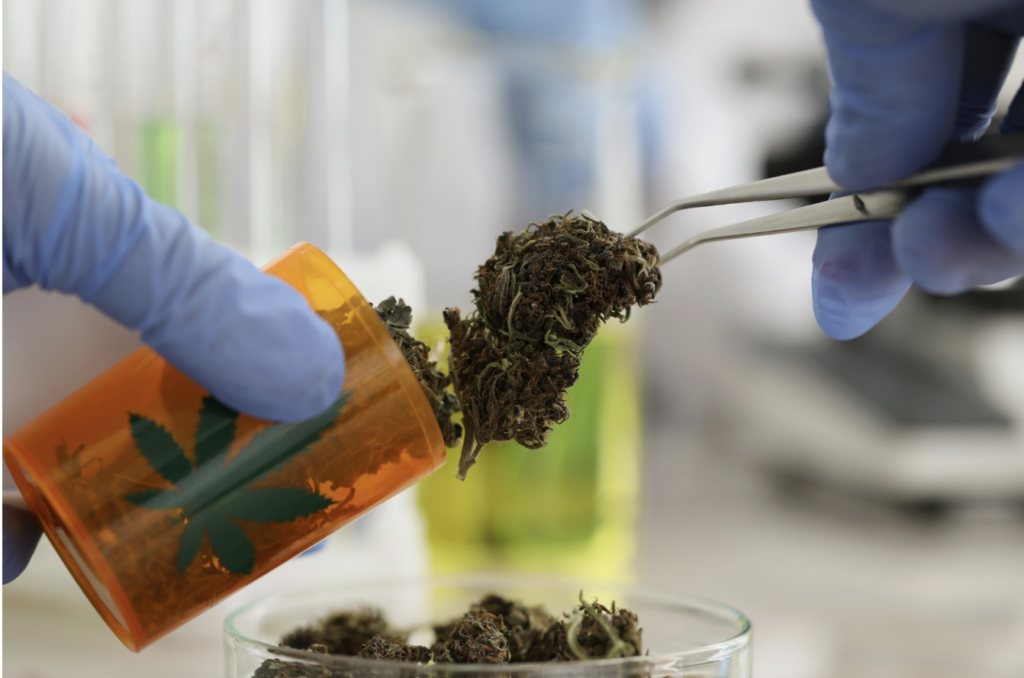
Lab technician in blue gloves using tweezers to examine cannabis flower from a prescription container, representing the quality testing and extraction process behind live resin and live rosin concentrates

The shorthand that sticks: distillate is orange juice from concentrate, live resin is not-from-concentrate, and live rosin is fresh-squeezed.


Distillate — high THC, no original flavor

Distillate starts with dried, cured cannabis. Processors extract the crude oil, then distill it at precise temperatures to isolate THC. Finished distillate tests 85–95% THC, but the process strips out terpenes, flavonoids, and minor cannabinoids.

To make the oil taste like anything, manufacturers blend terpenes back in from other plants (botanical terpenes) or recovered from cannabis earlier in the process. That blueberry flavor on your cart? 

Added in a lab, not grown on the plant.

Live resin — frozen flower, solvent extraction

Live resin changes one critical input: the flower gets flash-frozen immediately after harvest instead of being dried and cured. Freezing locks in the terpenes at peak levels.

A closed-loop extractor pushes chilled butane or propane through the frozen material at around –40°C, pulling out cannabinoids and terpenes together. 

The solvent gets purged in a vacuum oven at temperatures low enough to leave volatile terpenes intact. The result tests 65–85% THC and actually tastes like the strain it came from.

Live rosin — frozen flower, no solvents at all

Live rosin takes the solventless route. Same fresh-frozen starting material, but instead of hydrocarbons, processors wash the frozen flower in ice water, filter the trichome heads through mesh bags to make bubble hash, then squeeze it between heated plates. 

No butane, no propane, nothing to purge. 

Live rosin tests in the same 65–85% THC range but carries the broadest spectrum of terpenes and minor compounds of any concentrate type.


Why does live resin taste so different from a regular cart?

Because the terpenes in a live resin cart came from the actual plant. Distillate carts taste like candy or dessert because the flavor was formulated after extraction. Live resin tastes like the strain it was grown from (piney, gassy, citrusy, earthy) because those compounds survived the process.


Woman exhaling vapor from a cannabis vape cartridge outdoors, demonstrating the kind of 510-thread vape pen used for live resin and distillate carts

This is where the “entourage effect” comes in. 

The idea, first laid out in Ethan Russo’s 2011 review in the British Journal of Pharmacology, is that THC works differently when accompanied by the plant’s terpenes and minor cannabinoids. 

A 2024 Johns Hopkins trial gave strong evidence: vaporizing d-limonene alongside THC significantly reduced the anxiety and paranoia that THC alone produced.

That said, the entourage effect gets oversold in dispensary marketing. 

Some studies have found no direct terpene modulation at cannabinoid receptors, and a 2024 systematic review called synergistic enhancement “unproven.” 

The honest read?

Terpenes do appear to shape how cannabis feels, especially by softening THC’s anxiety edge. But a 75% THC live resin can feel more satisfying than a 90% distillate, because raw percentage isn’t the whole story.

Is live rosin worth the extra cost over live resin?

For most NJ shoppers, live resin is the sweet spot between quality and price. Live rosin is smoother and solventless, but the flavor difference over a good live resin is subtle, and the price gap, while narrower than you’d expect, still adds up.

The purity argument is straightforward: no solvents means no residual solvents, period. 

Live resin goes through a purge cycle that removes butane and propane to below NJ’s detection thresholds, and every cart sold in the state passes NJ CRC lab testing for residual solvents. But if “nothing synthetic touched my oil” matters to you, rosin is the only option that delivers.

On NJ shelves, live rosin 0.5g carts run $55–65, compared to $50–65 for live resin and $35–45 for distillate. The gap between resin and rosin is smaller than most people assume. 

Melting Point Extracts live rosin disposables (in strains like KY Jealousy and Pink Gushers), and the Motorbreath live rosin disposable are the main rosin vape options at La Vida Gardens. If you’re already buying live resin and curious, try a rosin disposable once. 

If the smoother draw doesn’t register, stick with live resin and save the difference. 

What are liquid diamonds?

Liquid diamonds are THC-A crystals suspended in terpene-rich sauce. They test 90–96% THC with strain-true flavor, splitting the difference between the distillate’s strength and live resin’s taste.


The process: a live resin extract sits sealed under controlled temperature and pressure until THCA crystallizes out of the solution. 

Those crystals get decarboxylated and recombined with the terpene sauce left behind. The result hits noticeably harder than standard live resin while still tasting like the strain.

At La Vida Gardens, RYTHM liquid diamonds carts (1g, roughly $65–70) are the main option. If you’ve been buying distillate for peak THC and dismissed live resin as “lower potency,” liquid diamonds are worth a look.

How should you actually use a live resin cart?

Screw it onto any 510-thread battery and set the voltage to 2.2–2.8V. The mechanics are identical to distillate, but the voltage setting is critical. Too high and you’ll burn the terpenes you just paid a premium for.

This is the single biggest mistake people make with live resin. The terpenes that give live resin its flavor degrade above roughly 2.8 volts. 

Caryophyllene, pinene, myrcene, and limonene all boil off at temperatures below what a standard 510 battery puts out at default settings. That “burnt taste” complaint on Reddit? Scorched terpenes. The fix costs nothing: turn the voltage down.

The voltage cheat sheet:

  • Live rosin: 2.0–2.5V
  • Live resin: 2.2–2.8V
  • Liquid diamonds: 2.6–3.0V
  • Distillate: 3.0–3.6V

Short pulls of 2–3 seconds work better than long draws regardless of cart type. If you’re curious about dabbing live resin concentrate, La Vida Gardens’ beginner dab guide walks through the rig setup.

If you’ve only owned a single-voltage pen, a variable-voltage battery is the best $20–25 you can spend on live resin.

Which one should you grab?

It depends on what you’re optimizing for:

  • Budget-first: Distillate. Illicit Classy Carts or &Shine. $25–40 on promo, reliable, gets the job done. No shame in it.
  • Flavor-first: Live resin. Illicit or RYTHM live resin, $33–50 on promo. You’ll taste the strain, not a flavor packet. This is where most upgraders land and stay.
  • Purity-first: Live rosin. MPX or RYTHM solventless, $38–55 on promo. Smoothest draw, no solvents, the connoisseur’s pick.
  • Potency + flavor: Liquid diamonds. RYTHM, $50–70. Near-distillate THC with the strain’s own terpenes.

One caveat. A good distillate cart from a quality brand can beat a mediocre live resin. Brand and batch matter more than the category label. Ask the budtender what’s testing well in the current batch. 

That question alone will get you a better cart than picking blindly by extraction type.

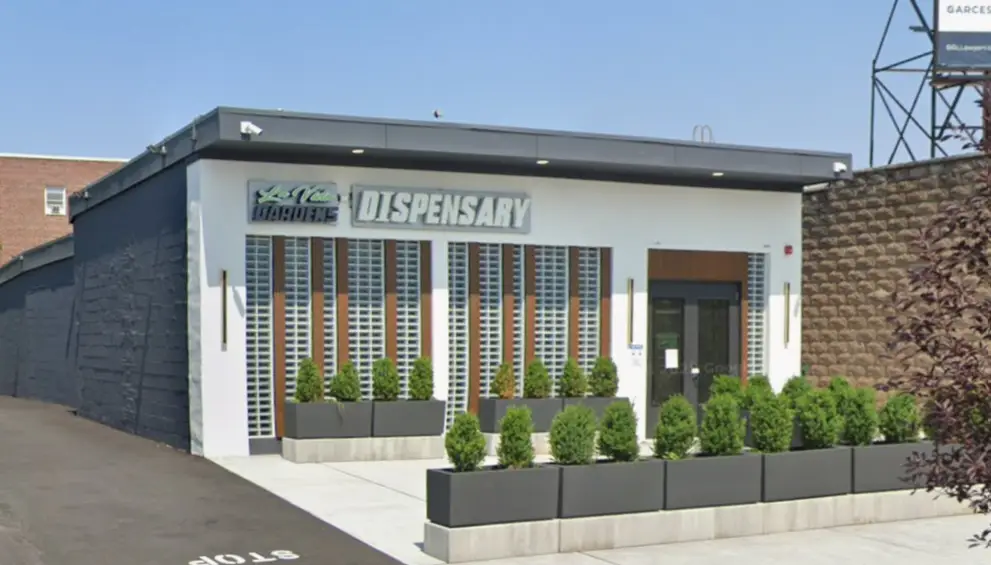
La Vida Gardens carries all four tiers at 523 Washington Ave in Belleville. Check the current specials before you come in. The promos rotate weekly, and timing a visit right can close the price gap between distillate and live resin to almost nothing.

FAQs

Does live resin smell more than distillate?


Yes. The terpenes are volatile, and a live resin cart will smell noticeably more like cannabis than distillate during and after a session. If discretion matters, distillate is the lower-profile option.

In edible form, yes. Some NJ gummies use live resin as the base instead of distillate, producing a fuller flavor and potentially more balanced effects. Don’t eat raw concentrate; it needs to be decarboxylated (heated) to activate the THC.

Roughly the same puff count per gram. Some users report needing slightly less live resin per session because the broader terpene profile feels more complete at lower doses, but individual results vary.

Both are lab-tested in NJ for residual solvents, pesticides, heavy metals, and mycotoxins. Live rosin has no solvent residuals by definition since no solvents are used. Properly purged live resin passes NJ CRC testing with no detectable solvents. 

“Safer” depends on how much weight you put on the solventless distinction, but both clear the same regulatory bar.

2.2–2.8V. Start at the low end and work up. If it tastes burnt or harsh, you’re too high. Drop the voltage. Distillate handles 3.0–3.6V; live resin doesn’t.

Similar Blog Posts

La Vida Gardens Launches a New Website and Expanded Rewards Network

La Vida Gardens is making major updates designed to improve the way our customers shop and use Rewar...
The best weed for insomnia isn't about strain names. It's about myrcene, linalool, and what's actually on the COA. A terpene-first NJ shopping guide.

Best Cannabis Strains for Sleep: A Terpene-First Shopping Guide

The best weed for insomnia isn’t about strain names. It’s about myrcene, linalool, and what’s actual...

NJ Weed Laws 2026: What You Can Buy, Smoke, and Carry

NJ cannabis laws updated for 2026. What you can buy, carry, and smoke, plus the new hemp THC rules a...

sign up for our rewards program

ENJOY DEALS & SPECIAL OFFERS ONLY AVAILABLE TO LOYALTY REWARDS MEMBERS

Copyright © 2026 La Vida Gardens- All Rights Reserved.

Are you over 21 years old?